
We are led to believe that our twenties are going to be the best decade of our lives. TV shows like Friends and New Girl, social media, music and endless books perpetuate this idea that this is the era where you truly flourish. You’re starting to embark on your dream career, you’re having fun dating and seeing your friends at every given opportunity and you’re striking the balance of being truly independent without the responsibilities of life weighing you down yet. For me, this couldn’t be further from the truth, and the excitement I had to reach my twenties, my “prime”, came crashing down around me after I left university.
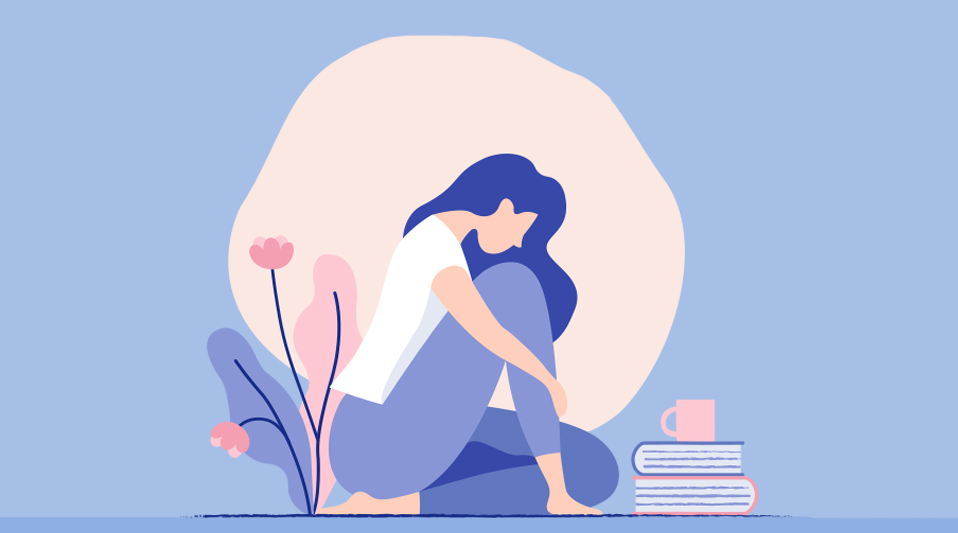
I’ve never been the type of person that’s belonged to a big friend group. My best friends have never known each other and it’s almost like I picked them to be that way. Friendship circles have never been my strong suit and I naturally shy away from drama and confrontation; both being things that have come out of any close friendship I’ve had with a group consisting of more than three people. I always feel like the “outsider” friend, the one who skirts on the fringes of the group and is looking in on a friendship that seems to thrive without me. The older I get, the more I realise this is the underconfident introvert inside my head getting the better of me, but it’s hard to combat a mentality that you’ve had since childhood.
When I got to university, I started to build my confidence up from being thrown into a situation where socialising is the norm. You’re sharing a flat with ten other people, you’re sitting in classes full of strangers where you have to be heard to be seen and it’s the culture to go out every week and go to parties that are being hosted by people you’ve never met. For the first time in my life I felt confident about the rate at which I made friends, and I slowly started feeling comfortable striking up conversations with random people (admittedly after a few drinks)…(okay, a LOT of drinks).
This confidence in myself and my social ability came crumbling down ever so slowly once I graduated, and honestly it took me a long time to figure out what it was that I was feeling and experiencing. The pandemic undoubtedly contributed to this hole I felt growing inside of me, but I couldn’t really place my finger on it when there were so many things going on at once. In my office job I would sit at my bedroom desk, waiting to join a Zoom meeting, where I’d realise this would be the first time I’d spoken out loud all morning. Even with my boyfriend in the other room working from home, we had created our own dwellings which were worlds apart from each other. At the start of the pandemic there was a wave of people reaching out, keeping the loneliness at bay, and I went the extra mile to socialise so that the new world I was living in felt even remotely normal. Eventually, the Zoom quizzes and Netflix parties became utterly exhausting and I started retreating from any situation where I even had to open my laptop to join. Even when socialising in person came back into the picture, at that stage I was so far back in my shell that I didn’t know how to get out of it, so I found myself shying away from meet ups and reunions for a long time. I always had this emptiness inside of me and a part of me that just felt hollow, and only when I met with a friend for the first time after COVID did it hit me what it was; it was loneliness. The vibe between my friend and I felt different and the dynamic had changed. Then I started questioning everything, and the fact that if my existing friendships were falling apart then what chance did I stand at battling the loneliness that was creeping its way into my life?
After I left university, it felt like I had a lot of broken friendships that I didn’t know how to fix. Nothing in particular happened to make these friendships disintegrate, it was simply that without the factor of university, I had nothing in common with them anymore. I spent a lot of time punishing myself for letting this happen before realising it’s inevitable when you’re not seeing each other every day and living through the same experience. You move away, start new employments and have other commitments, and this is completely normal. It’s hard to forge new relationships after university when you don’t find yourself all in the same boat. You’re not friends with people all at the same stage of life anymore; it’s the middle aged woman in the office with three kids, the guy whose lunch is always made from food from his own allotment and the receptionist who always gives you a lift to the train station after work. You’d never find yourself ordinarily being friends with these people, but in the melting pot that is your job, you get by with these little, simple communications with people around you, but they only scratch the surface.
With the influence that social media has on our lives, it’s easy to fall into the trap of creating the façade that you have your life together and you’re out doing something every weekend. You even start to believe that it’s real – “it doesn’t matter if I only stayed out for an hour, it’s on my Instagram story!” Sadly, loneliness does carry a social stigma and I felt my pride being bruised at the idea of people knowing that I was struggling with friendships, or rather the lack of them. While I had my long term boyfriend and a handful of best friends there for me, loneliness is a corrosive entity that eats away at you, leading to feelings of bitterness and self doubt. I would question why people were reaching out to me, I would feel a sharp sting when I saw friends doing things together without me, and I felt myself grasping onto my existing connections by the tips of my fingers, positive that I would soon lose my grip on them because of how hard I found it to put myself back out there.
It’s really hard to beat this pattern of uncertainty and hopelessness, and honestly it took me a long time to even nudge the enormity of the loneliness I was experiencing. The first step was the simplest but probably the hardest to face – being honest with myself. Once I was honest with myself about what I was feeling and why, it was easier to open up to others about how much I was struggling. Eventually, I found comfort in the vulnerability and open dialogue that I had going with my friends and close circle, which in turn lifted the weight off my shoulders. I was able to build stronger and better bonds with them in person when I stopped putting so much pressure on myself to feel something. I started socialising because I wanted to, not because I had to. My personal circumstances changed too, and I was now in a job where I had to turn up to work rather than roll out of my bed just in time for my first meeting of the day. Being forced to talk to people again really helped me break out of the shell I’d created for myself, and while I felt vulnerable and initially hated letting my guard down, this was what helped me get back to the sociable, happy person I always knew I was.
If you ever feel like you’re stuck in this state of loneliness and like you’re a little bit lost, trust me when I say that talking about it helps. You have more people that will rally around you than you think, and slowly but surely, you’ll find yourself saying yes to more and more experiences. Don’t let the pressures of social media swallow you up, we all know it’s an empty void that lets FOMO breed violently. Studies have shown that 18-25 year-olds are the loneliest generation of all, so best believe you are not alone. Loneliness can really make you question your self identity and facing up to it will only make you come to grips with the person you really are. Embrace your loneliness and own it, only then will you find that the thick fog that once separated you from every person you know was only ever imaginary.
 just alisha things
Leave a comment